
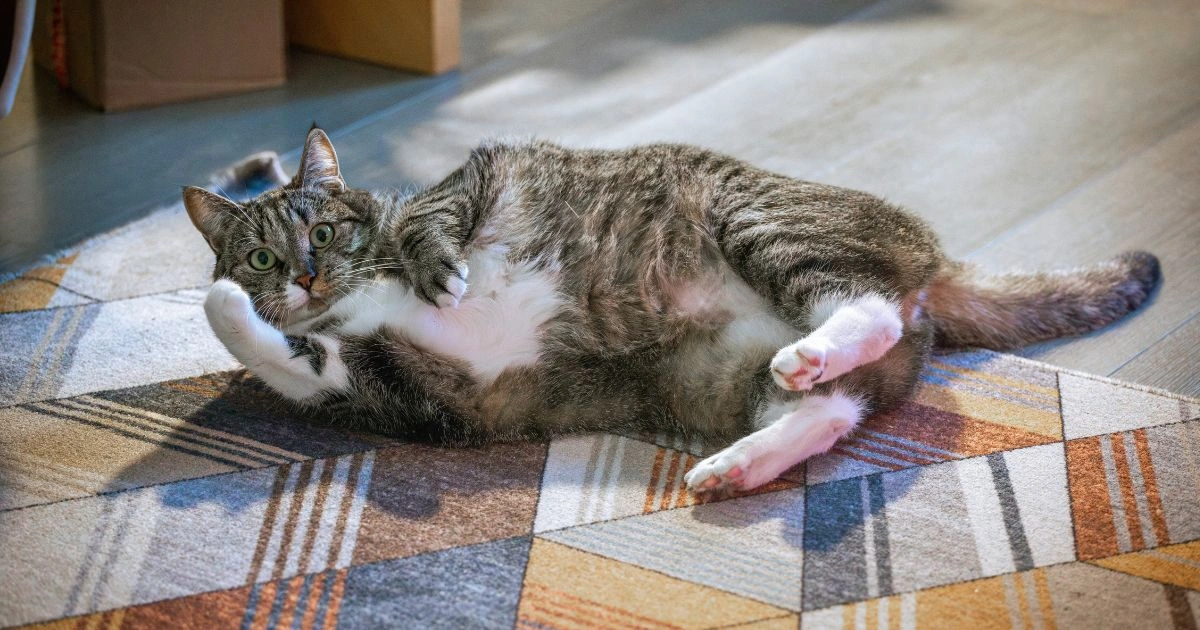
Why Do Cats Make Biscuits on Me?
Table of Contents
Have you ever wondered why do cats make biscuits on me while you relax on the couch? This rhythmic motion, often called cat kneading, is a common behavior that leaves many pet owners feeling both puzzled and honored.
When your feline friend pushes their paws in and out against your lap, they are performing a natural instinct. Understanding why cats knead helps you decode your pet’s emotional state and strengthens your bond. This rhythmic cat making biscuits motion usually signals deep comfort and trust.
In this article, we explore the origins of this behavior, from kittenhood instincts to modern displays of affection. We will also cover how to interpret your pet’s body language and when this habit might indicate a need for attention. Get ready to learn how to respond to these sweet, rhythmic gestures effectively.
Key Takeaways
- Kneading is a natural instinct rooted in kittenhood nursing behaviors.
- This action serves as a primary way for your pet to show comfort and security.
- The behavior often indicates that your companion feels safe and relaxed in your presence.
- You can interpret the intensity of the motion to understand your pet’s current mood.
- Properly managing sharp claws ensures that these affectionate moments remain pleasant for everyone.
Why do cats make biscuits on me?
Many cat owners ask, “Why do cats make biscuits on me?” during quiet moments at home. This rhythmic motion, often called kneading, is a fascinating display of feline instinct. It serves as a primary cat comfort behavior that bridges the gap between their wild ancestors and your living room.
Kneading begins as a kittenhood nursing behavior
The roots of this action trace back to the very first days of a cat’s life. During nursing, kittens press their paws against their mother to stimulate milk flow. This kitten kneading behavior is essential for survival and creates a strong association between the motion and nourishment.
As cats grow into adulthood, they often retain this habit. When they perform this motion on you, they are essentially reverting to a state of pure contentment. It is their way of signaling that they feel as safe and nurtured as they did when they were tiny kittens.
Comfort, trust, and emotional security
When your cat chooses your lap, they are expressing deep trust. This is one of the main reasons why do cats make biscuits on me – they view you as a source of warmth and protection. which is why they feel comfortable enough to let their guard down. You might wonder, perché il mio gatto continua a farmi i biscotti addosso? The answer lies in the emotional bond you share.
- Warmth: Your body heat mimics the comfort of their mother.
- Safety: Kneading is a vulnerable act that only happens in secure environments.
- Relaxation: The repetitive motion helps the cat enter a meditative, calm state.
Scent marking and social bonding
Beyond simple comfort, kneading is a way for your cat to claim you as their own. Cats have scent glands located in the soft pads of their paws. By pressing their paws into your clothing or skin, they leave behind a unique pheromone signature.
This process reinforces the social bond between you and your pet. It is a silent way of saying that you belong to their inner circle. This marking behavior helps them feel more at home in your presence, turning your lap into a shared territory of peace. This process reinforces the social bond between you and your pet, which explains why do cats make biscuits on me specifically rather than on furniture.
What “biscotti per gatti” and “gatto che mi impasta” mean
In Italy, cat lovers use charming phrases to describe this behavior. The term biscotti per gatti translates literally to “cat cookies,” referring to the way the cat’s paws look like they are kneading dough. Similarly, saying a gatto che mi impasta means “a cat that is kneading me like dough.” These expressions capture the playful and endearing nature of the habit, highlighting how universal this feline quirk truly is.
What Your Cat’s Kneading Means Emotionally
Understanding the significato di gatto che impasta reveals much about your feline’s inner state. While it may look like a simple physical habit, this rhythmic motion serves as a complex emotional expression. By observing these movements, you gain insight into how your pet perceives their environment and your relationship. Some breeds, like the British Longhair, are known for their affectionate kneading behavior.
Your cat may be showing affection
When your companion chooses to knead on you, it is often a clear sign of affectionate cat behavior. Understanding why do cats make biscuits on me helps you appreciate this gesture as a feline love language, signaling that they feel comfortable enough to let their guard down. They are essentially marking you as a trusted member of their inner circle.
Kneading can help your cat self-soothe
Beyond social bonding, this rhythmic action is a common form of cat self-soothing. The repetitive motion helps your cat regulate their emotions and lower their stress levels. Much like a human might fidget to calm down, a cat uses kneading to find a sense of internal balance and peace.
Your cat may associate you with safety and care
The cat kneading meaning is deeply rooted in early life experiences. When your cat settles on your lap to knead, they are likely recalling the security they felt as a kitten. By choosing you, they are expressing that you provide the same level of safety and care they once received from their mother.
Body language that confirms your cat is content
Kneading alone is a good indicator, but you should look for other signs your cat is happy to get the full picture. A truly content cat will often combine this behavior with specific physical cues. Use the following table to help interpret your cat’s emotional state during these quiet moments.
| Behavioral Cue | Emotional Meaning | Intensity Level |
|---|---|---|
| Slow blinking | Deep trust and relaxation | High |
| Soft, rhythmic purring | Contentment and joy | Moderate |
| Relaxed, loose muscles | Feeling safe and secure | High |
| Gentle, slow kneading | Affectionate bonding | Moderate |
Why Your Cat Chooses Your Lap, Chest, or Stomach
The specific location your cat chooses for kneading often reveals exactly what they need in that moment. While you might wonder about the gatto che mi impasta behavior, your cat is simply seeking the most secure spot in the room. By choosing your lap, chest, or stomach, they are selecting a location that offers the perfect blend of physical and emotional support.
Your body provides warmth and comfort
Cats are naturally drawn to heat sources, and your body acts as a living radiator. When you sit still, your cat warmth and comfort needs are met by your natural body temperature. This heat helps them regulate their own temperature while they relax, making your lap an ideal spot for a long nap.
Your scent makes you feel familiar and safe
Your scent is a powerful tool for feline bonding. Because you are a primary source of care, your smell provides a sense of security that a cold piece of furniture cannot replicate. When a cat kneads on your chest, they are essentially marking you with their own scent while soaking in yours, creating a shared environment of trust.
Soft, stable surfaces encourage kneading
Kneading requires a surface that is both soft enough to sink claws into and stable enough to support their weight. Your stomach or lap provides a gentle, rhythmic movement caused by your breathing, which acts as a soothing cradle for your pet. This stability is why why cats knead on my lap so frequently compared to hard floors or unstable cushions.
“Kneading is a primal behavior that signals a cat feels completely at peace in their environment. When they choose you, they are expressing that you are their safe harbor.”
Why your cat may knead more during quiet bonding time
You will likely notice a cat kneading on chest or stomach areas most often during quiet, low-stress moments. In a busy household, your cat waits for the house to settle before seeking out your company. This is when they feel most comfortable engaging in repetitive, rhythmic behaviors that reinforce their bond with you.
The following table highlights why your cat prefers your body over other common household surfaces:
| Surface Type | Warmth Level | Stability | Comfort Rating |
|---|---|---|---|
| Your Lap | High | Excellent | Maximum |
| Hard Floor | Low | High | Poor |
| Soft Blanket | Medium | Variable | Good |
| Cat Bed | Medium | High | High |
Understanding these preferences helps you see that cat kneading on stomach or lap is a high compliment. It shows that you are the most reliable and comforting presence in their world.
When Kneading Is Normal and When It May Signal a Problem
Identifying when a gatto che mi impasta moment shifts from a sign of affection to a potential health concern requires careful observation. While most owners view this behavior as a standard part of feline life, understanding the nuances of your pet’s actions helps you provide better care.
Normal kneading is usually relaxed and rhythmic
In most cases, normal cat kneading is a gentle, rhythmic motion that indicates your cat feels safe and secure. You will typically notice your cat’s eyes are half-closed, their body is relaxed, and they may even purr softly. This behavior is a natural instinct that carries over from kittenhood, serving as a way for your cat to express deep contentment in their environment.
Changes in kneading may reflect stress or discomfort
When you notice sudden cat kneading problems, it is essential to look at the bigger picture rather than focusing on the paws alone. A cat that suddenly begins to knead with excessive force or appears agitated may be trying to communicate that something is wrong. These shifts often serve as cat stress signs, indicating that your pet is struggling to cope with a change in their surroundings or physical health.
If you notice these signs alongside other symptoms, check our guide on Why Is My Cat Sneezing? 10 Common Causes to rule out respiratory or health issues.
Warning signs that deserve closer attention
You should pay close attention if the kneading is accompanied by specific behavioral changes. Watch for these indicators:
- Unusual intensity or aggression during the kneading process.
- Vocalizations like growling, hissing, or distressed meowing.
- Extreme sensitivity or pain when you touch the area being kneaded.
- Sudden restlessness or an inability to settle down after the kneading stops.
When to contact your veterinarian
Knowing when to call a veterinarian is crucial for your cat’s long-term health. If the change in kneading behavior persists for more than a few days, or if it is accompanied by other physical symptoms, professional advice is necessary. Monitor your cat for changes in appetite, mobility, grooming habits, or litter-box usage, as these are often linked to underlying medical issues.
| Behavioral Aspect | Normal Kneading | Concerning Kneading |
|---|---|---|
| Body Language | Relaxed and calm | Tense or agitated |
| Vocalization | Soft purring | Hissing or distressed cries |
| Physical State | Healthy appetite/activity | Lethargy or pain sensitivity |
| Frequency | Predictable and rhythmic | Erratic or constant |
How to Respond When Your Cat Keeps Making Biscuits on You
If you find yourself wondering perché il mio gatto continua a farmi i biscotti addosso, you are certainly not alone. While this behavior is a sign of deep trust, the sharp claws involved can make the experience uncomfortable. Finding effective cat kneading solutions allows you to enjoy this bonding time without the pain.
Protect your skin without rejecting your cat
You should never push your cat away abruptly, as this can confuse them or damage your relationship. Instead, focus on creating a physical barrier that keeps you comfortable. This simple adjustment helps you protect skin from cat claws while still allowing your pet to express their natural instincts.
Use a blanket or cushion to soften sharp claws
Keep a soft throw blanket or a small pillow nearby whenever you sit down. When your cat begins to knead, gently place the item between your skin and their paws. This layer acts as a buffer, turning those sharp pokes into a gentle massage that you can actually enjoy. Check Price: Best Soft Fleece Cat Blankets on Amazon
Redirect persistent kneading calmly
If your cat insists on kneading a sensitive area, try to redirect them to a different spot. You can gently lift them and place them on a nearby cushion or a cozy cat tree. Consistency is key when you want to learn how to stop cat kneading on your bare skin without causing stress.
Avoid punishment and reward relaxed behavior
Never scold or punish your cat for kneading, as they are simply performing a natural, comforting behavior. Punishment will only create anxiety and break the bond you share. Instead, offer soft praise or gentle pets when they settle down and knead rhythmically, which reinforces the calm, positive association of the moment.
How to tell whether your cat wants affection or a comfortable place to settle
Understanding your cat’s intent can help you manage their behavior more effectively. You can often distinguish their needs by observing their body language:
- Affection seeking: Your cat will likely purr loudly, head-butt your hand, and look directly at you for engagement.
- Comfort seeking: Your cat may be kneading to “fluff” a surface, often looking sleepy or focused on the texture of the fabric rather than your attention.
- Biscotti per gatti: Sometimes, they are simply creating a cozy nest, which is a sign they feel safe enough to sleep in your presence.
Conclusion
Your cat chooses your lap because you represent a safe, warm, and familiar environment. When you look for the significato di gatto che impasta, remember that this behavior stems from deep instincts rooted in kittenhood. It serves as a powerful display of cat affection and trust that strengthens your unique bond.
With cat kneading explained as a mix of comfort and scent marking, you can better appreciate these quiet moments. Observe your pet’s body language to ensure they remain relaxed and content during these sessions. A soft purr and half-closed eyes confirm that your presence provides the security they crave.
You might still wonder why do cats make biscuits on me during your downtime. The answer lies in the comfort you provide as a trusted companion. Keep a soft blanket nearby to protect your skin while allowing your cat to express their natural instincts.
Monitor your pet for sudden changes in this routine. If the kneading becomes frantic or seems linked to physical distress, consult your veterinarian for guidance. Enjoy these rhythmic sessions as a sign of a healthy, loving relationship with your feline friend. If you’re considering adopting a new cat, check out our guide on the 10 Best Hypoallergenic Cat Breeds for allergy sufferers.
You might still wonder why do cats make biscuits on me during your downtime. The answer lies in the comfort you provide as a trusted companion.
FAQ
What is the primary reason why my cat makes biscuits on me?
When your cat kneads on you, it is essentially a carryover from kittenhood instincts. This behavior, often colloquially called biscotti per gatti, begins when kittens press their paws against their mother to stimulate milk flow. When an adult cat does this to you, it signifies a high level of trust, comfort, and emotional security, showing that they view you as a provider of safety.
What is the deeper significato di gatto che impasta when they are purring?
The significato di gatto che impasta (the meaning of a kneading cat) is most often an expression of affection and relaxation. When accompanied by purring, relaxed muscles, and slow blinking, it indicates your cat is in a state of contentment. This repetitive motion helps them self-soothe and bond with you, reinforcing the idea that you are a source of care and stability in their life.
Why does a gatto che mi impasta specifically choose my lap or chest?
A gatto che mi impasta (a cat that kneads me) chooses these areas because your body provides warmth and a familiar scent. Your chest and stomach are soft, stable surfaces that move rhythmically with your breathing, which cats find incredibly soothing. Additionally, cats have scent glands in their paws, so kneading helps them “mark” you as a safe and familiar part of their territory.
Perché il mio gatto continua a farmi i biscotti addosso even if it hurts my skin?
If you find yourself asking “perché il mio gatto continua a farmi i biscotti addosso” (why does my cat keep making biscuits on me), it is because your cat is seeking social bonding and doesn’t realize their claws are sharp. To manage this, you can place a thick blanket or a protective cushion between your skin and their paws. This allows your cat to continue their instinctive behavior without causing you any physical discomfort.
Is it ever a bad sign if my cat starts kneading more frequently?
While biscotti per gatti is usually a sign of a happy cat, a sudden or frantic change in behavior could indicate stress or physical discomfort. If the kneading is accompanied by vocalizations of distress, agitation, or if your cat seems sensitive to being touched, it may be time to consult a veterinarian. Experts at VCA Animal Hospitals suggest looking for other signs like changes in appetite or grooming habits to determine if the behavior is still healthily motivated.
How can I encourage my cat to knead on a blanket instead of my skin?
You can gently redirect your cat by placing a soft fleece or a dedicated “kneading blanket” on your lap during quiet bonding time. Using positive reinforcement, such as offering a small treat from Purina Pro Plan when they use the blanket, can help them associate the soft fabric with rewards. This ensures they still feel safe and emotionally secure without you having to endure sharp claws.