
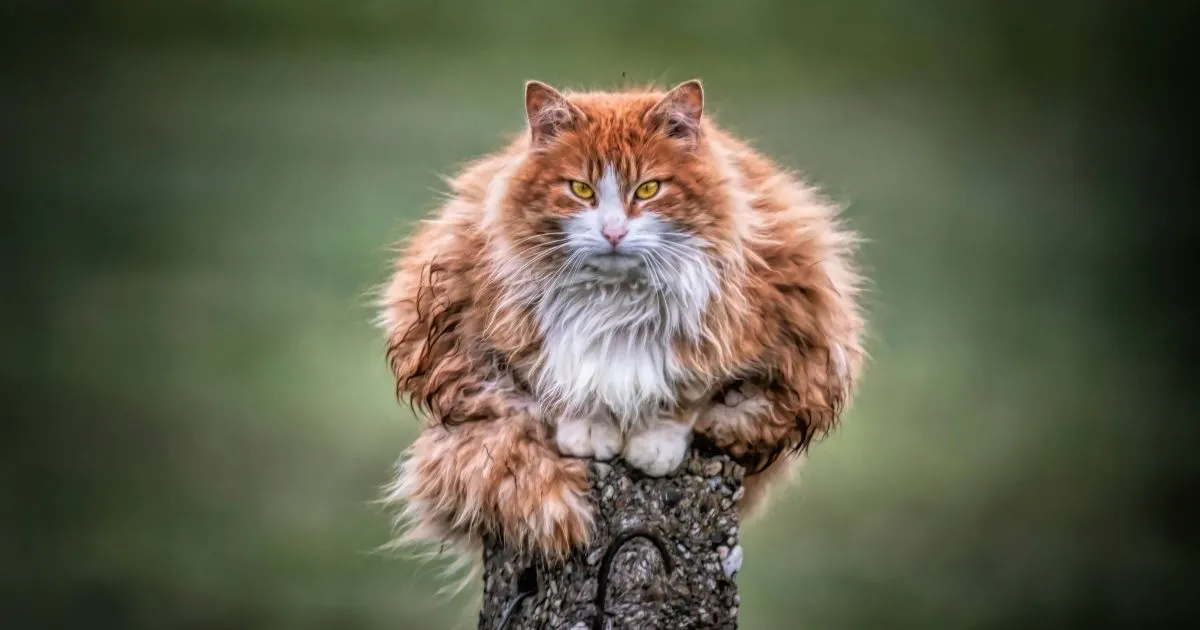
British Longhair Cat Breed Guide
Table of Contents
Choosing a cat is a big decision that needs careful thought. The cat breeds british longhair stand out for their thick, soft fur and loving nature. They are known for their round looks and calm demeanor, making them a favorite in many American homes.
Before you bring one home, it’s important to know what they need. You’ll need to groom them regularly, feed them right, and make sure they get enough exercise. Our british longhair cat info will guide you through these steps.
This guide is packed with tips for today’s homes. We’ll cover health checks, what they need indoors, and their personality. Knowing these things will help you create a thriving home environment for your new pet.
Key Takeaways
- Recognize the grooming demands of a dense, luxurious coat.
- Understand the importance of balanced nutrition for weight management.
- Learn how to provide adequate indoor stimulation and exercise.
- Prioritize routine health checkups to prevent common breed-specific issues.
- Assess your household compatibility before finalizing your decision.
Cat Breeds British Longhair: Physical Traits and Breed Characteristics
Looking at cat breeds British Longhair, you see their regal look. They have a sturdy body and a soft, flowing coat. Knowing these traits helps owners appreciate their pets more.
Distinctive Appearance of the British Longhair
Dense Coat, Rounded Features, and Body Structure
The breed’s plush, semi-long coat is striking. It feels soft and thick. Their heads are broad, with full cheeks and big, expressive eyes.
Their body is cobby and powerful. They have a broad chest and strong legs. This makes them stable and balanced.
Recognized Coat Colors and Eye Shades
British Longhair cat breeds come in many colors and patterns. You’ll see solid blues, blacks, tabbies, and color points. Their eyes are deep shades of copper, gold, or green.
Size, Weight, and Development Through Adulthood
These cats are medium to large. Males weigh 12 to 18 pounds, females a bit less. They need a balanced diet to stay healthy as they grow.
They keep growing muscle and coat until three years old. This slow growth shows their calm nature.
How the Longhair British Cat Profile Differs From the British Shorthair
The longhair British cat profile is unique because of its coat. The Shorthair has a short, crisp coat. The Longhair has a soft, semi-long plume. Here are the main differences:
| Feature | British Shorthair | British Longhair |
|---|---|---|
| Coat Length | Short and dense | Semi-long and plush |
| Grooming Needs | Low to moderate | High (regular brushing) |
| Overall Look | Sleek and compact | Soft and voluminous |
These traits show why the Longhair needs more grooming. Both cats are affectionate and sturdy. But the Longhair has a more dramatic, fluffy look that many find irresistible.
British Longhair History, Origins, and Breed Recognition
The British Longhair’s story is quite interesting. It was once seen as a mistake in breeding. Early fans of british longhair cat breeds aimed to perfect the Shorthair. But, new genetics changed everything.
Persian Influence on the British Longhair’s Development
In the early 1900s, breeders wanted to make their cats’ coats thicker and bodies fuller. They mixed Persian cats into the mix for a luxurious and plush fur. This mix created the breed’s famous thick coat.
At first, the goal was to improve the Shorthair. But, the longhair gene kept showing up. Soon, these long-haired kittens were in high demand for their striking appearance and calm nature. This change helped create the cat you know today.
How Longhaired British Cats Became a Distinct Breed Type
For a long time, these cats were just seen as longhaired versions of the British Shorthair. But, as they became more popular, breeders wanted to make them their own. They worked hard to make sure they were separate and distinct.
By focusing on the longhair trait, breeders could standardize the breed’s look. This made it clear what british longhair cat info potential owners needed. Now, you can find a cat that’s sturdy but has a beautiful, flowing coat.
Breed Standards and Recognition in the United States
In the United States, recognizing these cats has grown with global standards. Big cat groups now have clear rules. These rules help keep the breed true to its roots. When you look into british longhair cat breeds, you’ll see these standards.
Getting the right british longhair cat info is key for anyone interested in showing or breeding. Knowing these standards helps the breed stay strong and true to its distinctive heritage. Here’s a table with key moments in the breed’s history.
| Development Phase | Primary Focus | Outcome |
|---|---|---|
| Early 1900s | Persian Crossbreeding | Increased coat density |
| Mid-Century | Trait Isolation | Recognition of longhair gene |
| Modern Era | Standardization | Formal breed recognition |
British Longhair Temperament and Everyday Behavior
The British Longhair is a perfect mix of independence and love. They are known for their steady and composed nature. This makes them great friends for many homes. Knowing these british longhair breed characteristics helps make a great home for them.
Affectionate but Independent Social Style
These cats love being near you but don’t get clingy. They like to sit next to you rather than on your lap. This longhair british cat profile shows a cat that values its space but is very loyal.
Playfulness, Intelligence, and Activity Needs
Your cat will have a good amount of energy every day. They are smart and love solving puzzles and playing games. They don’t get too active but enjoy short playtimes to stay sharp and healthy.
How British Longhairs Communicate With You
They communicate quietly and subtly. They might use soft chirps or nudges to ask for attention. They are excellent observers and watch you with calm curiosity.
Interactions With Children, Dogs, and Other Cats
One of the best british longhair breed traits is their patience with others. They get along well with kids and calm dogs. Introducing them to other pets slowly helps them live peacefully together.
| Behavioral Trait | Level | Description |
|---|---|---|
| Affection | Moderate | Loyal but respects personal space. |
| Activity Level | Low to Moderate | Prefers lounging over constant movement. |
| Social Needs | Independent | Comfortable being left alone for short periods. |
| Trainability | High | Responds well to positive reinforcement. |
British Longhair Grooming and Coat Maintenance
Managing a dense, plumed coat is rewarding. It keeps your cat comfortable and beautiful. This british longhair cat info helps you create a grooming routine. It keeps their fur soft and tangle-free.
Brushing Frequency for the Dense, Plumed Coat
These cats need regular grooming to avoid knots. Brush them three to four times a week. During shedding seasons, brush daily to control loose hair.
Tools for Preventing Mats and Managing Shedding
The right tools make grooming easier. A slicker brush removes loose fur from the topcoat. Then, use a wide-toothed metal comb to find hidden mats.
The right tools make grooming easier. A slicker brush removes loose fur from the topcoat. Then, use a wide-toothed metal comb to find hidden mats.
👉 Check Price: Best Slicker Brush for Cats on Amazon
Areas That Need Extra Attention, Including the Chest and Hindquarters
Some areas are more prone to tangling. Focus on the chest, armpits, and hindquarters. Gently work through these areas to prevent discomfort and keep your cat looking great.
Bathing, Nail Trimming, and Ear Care
These cats are generally clean but may need an occasional bath. Use a mild, cat-specific shampoo. Make sure they are dry afterward to avoid chills.
Trim their nails every two weeks. Also, check their ears weekly for wax buildup or redness. Keeping these areas clean is key to their health.
Reducing Hairballs and Keeping Your Home Cleaner
Frequent brushing reduces hair ingestion and hairballs. This simple habit helps keep your cat healthy. Use fiber-rich treats to support digestion.
Professional Grooming Support and Warning Signs of Coat Problems
A professional groomer can help with stubborn mats. They have the skills to handle sensitive areas safely. If you notice coat changes, bald patches, or skin irritation, see your vet.
- Warning Sign: Excessive scratching or biting at the skin.
- Warning Sign: Matted fur that feels hard or tight against the skin.
- Warning Sign: Dull, brittle hair that loses its natural shine.
Daily Care, Nutrition, and Exercise for a British Longhair
Understanding the needs of a British Longhair cat is key. By using british longhair cat info, you can keep your cat healthy and lively. A regular routine makes them feel safe and happy indoors.
Feeding a Balanced Diet Without Encouraging Weight Gain
Portion Control for a Naturally Stocky Body
British Longhairs have a sturdy build that can hide extra weight. It’s important to measure their food carefully. For the best nutrition options, check our guide on the Best Cat Food 2026. Consulting your veterinarian to find the right amount of food is crucial for their health.
British Longhairs have a sturdy build that can hide extra weight. It’s important to measure their food carefully. Consulting your veterinarian to find the right amount of food is crucial for their health.
👉 Check Price: Solid Gold High-Protein Grain-Free Cat Food
Water Intake and Wet-Food Considerations
Drinking enough water is vital to avoid urinary problems. Wet food adds moisture that dry food often lacks. Make sure there’s always clean water for your cat to drink.
“A cat’s diet is the foundation of its longevity; choose quality ingredients to support a dense coat and a strong heart.” — Feline Nutrition Expert
Exercise Ideas for a Calm Indoor Cat
Even though they’re calm, British Longhairs need daily exercise. Use toys like feather wands or laser pointers for 15 minutes, twice a day. This keeps them active and happy without needing to jump a lot.
Litter Box, Scratching, and Resting Requirements
Providing the right resources is important for these cats. They need large, clean litter boxes and sturdy scratching posts. These help keep their claws healthy and stretch their muscles.
Providing the right resources is important for these cats. They need large, clean litter boxes and sturdy scratching posts. These help keep their claws healthy and stretch their muscles.
👉 Check Price: Best Cat Trees for British Longhair
Creating a Comfortable Indoor Environment
Give your cat places to climb and watch the world from. Make sure these spots are stable and easy to get to. A quiet, soft spot for resting helps them feel safe and calm.
| Care Category | Frequency | Key Benefit |
|---|---|---|
| Meal Measurement | Twice Daily | Weight Management |
| Interactive Play | 15-20 Minutes | Muscle Maintenance |
| Litter Cleaning | Daily | Hygiene & Comfort |
| Water Refreshing | Daily | Kidney Health |
British Longhair Health, Lifespan, and Veterinary Care
Being a pet owner means knowing about your cat’s health needs. British Longhairs are usually healthy, but knowing their british longhair breed characteristics helps them thrive.
Expected Lifespan and Common Health Considerations
These cats can live 12 to 15 years with the right care. Genetics are key, so choose reputable breeders who test for health. Early action can prevent serious problems.
Polycystic Kidney Disease and Responsible Health Screening
Polycystic Kidney Disease (PKD) can affect many long-haired breeds. It causes cysts on the kidneys, leading to failure. Responsible breeders test for this gene. Always ask for health records when getting a kitten.
Polycystic Kidney Disease (PKD) can affect many long-haired breeds. It causes cysts on the kidneys, leading to failure. Responsible breeders test for this gene. Always ask for health records when getting a kitten.
Check Price: Best Omega-3 Supplements for Cats
Hypertrophic Cardiomyopathy and Heart Monitoring
Hypertrophic Cardiomyopathy (HCM) is common in cats. It makes the heart muscle thick, affecting blood flow. Echocardiograms by a vet cardiologist are key for heart health checks.
Dental Health, Obesity, and Joint Support
Keeping your cat at a healthy weight is important. Obesity can cause diabetes and joint problems. Also, don’t forget about dental care to avoid periodontal disease.
Preventive Care, Vaccinations, and Routine Veterinary Visits
Regular vet visits are crucial for british longhair cat info. Annual checkups help track health and update vaccinations. This catches health changes early.
| Health Focus | Action Required | Frequency |
|---|---|---|
| Kidney Health | Genetic Screening | Once (at birth/breeder) |
| Heart Function | Echocardiogram | Annual/Bi-annual |
| Weight Control | Calorie Monitoring | Daily |
| Dental Care | Professional Cleaning | Yearly |
By following these steps, you help your pet stay healthy. Knowing about british longhair breed characteristics and staying updated on british longhair cat info keeps your pet happy and healthy for years.
Is a British Longhair the Right Cat for Your Home?
Many people wonder if a British Longhair cat is right for them. It’s important to match your lifestyle with their needs. This ensures a happy relationship for years.
Households That Suit This Affectionate, Fluffy Companion
These cats love stable homes with lots of human interaction. If you have allergies but love cats, also check out the 10 Best Hypoallergenic Cat Breeds for allergy sufferers. They’re calm and do well in apartments or quiet homes. Here, they can relax and enjoy their surroundings.
If your home is busy but calm, a British Longhair will fit right in. They like a peaceful place to watch the family. They don’t do well with loud noises or constant chaos.
Time, Budget, and Grooming Commitments to Consider
Having a British Longhair cat means a big time and money commitment. They need regular grooming to keep their fur clean and healthy.
“The greatness of a nation and its moral progress can be judged by the way its animals are treated.”
— Mahatma Gandhi
You’ll also need to budget for good food and vet visits. Taking care of their health is key to keeping them happy and healthy.
Questions to Ask a Breeder or Rescue Organization
When looking for a British Longhair cat, ask the right questions. If you’re bringing home a kitten, don’t miss our Ultimate Kitten Care Guide for the first 30 days. A good breeder will share health and personality information about their cats.
- Have the parents been screened for genetic conditions like PKD or HCM?
- What is the typical energy level of this specific kitten or cat?
- Can you provide documentation regarding vaccinations and early socialization?
- How does the cat react to new people or other household pets?
Best British Longhair Breed Traits for Your Lifestyle
Look for a British Longhair that’s both independent and affectionate. They’re devoted companions who love your company but don’t cling too much.
Understanding their needs helps you choose the right cat. A cat that fits your lifestyle is the start of a beautiful friendship.
Conclusion
Choosing a pet is a big decision that needs careful thought. The cat breeds british longhair are calm and beautiful, perfect for indoor homes.
Think about how much time you can spend on grooming. These cats are soft and loving, but they need care. A good diet and vet visits keep them healthy for years.
Check if the breed fits your daily life. They love attention and a stable home. This makes them happy and well-adjusted.
Plan your budget for their food and grooming. A good owner makes a great home for these cats. They are gentle and independent.
Share your experiences with other cat lovers. This helps you understand your cat’s unique personality. Learning about your cat’s needs is the first step in owning one.
FAQ
What are the most distinctive british longhair breed characteristics?
The British Longhair stands out with its rounded face, broad chest, and thick, soft coat. Their fur looks like a teddy bear’s, standing away from their body. Their large, bright eyes add to their sweet look.
How does the longhair british cat profile differ from the British Shorthair?
The Longhair has longer fur and a beautiful plumed tail, unlike the Shorthair. They were created by mixing British Shorthairs with Persians for their dense fur. Today, they’re known for their elegant, semi-long fur that needs more grooming.
Are british longhair cat breeds recognized by major feline organizations in the United States?
Yes, they are recognized by big groups like The International Cat Association (TICA) and the Cat Fanciers’ Association (CFA). They were once seen as a variant of the Shorthair but are now a full breed. This means breeders must follow strict health and behavior standards.
What are the best british longhair breed traits for families with children or other pets?
They are known for being calm and patient. They love people but don’t get too clingy. They’re great with kids and pets, preferring to sit next to you rather than on your lap.
How often should you groom cat breeds british longhair to prevent matting?
They need brushing three to four times a week, more during shedding seasons. Use a slicker brush or Greyhound comb to get to their thick undercoat, especially around the chest and back.
What essential british longhair cat info should you know regarding their health and nutrition?
Watch for genetic issues like HCM and PKD. They can get fat easily, so feed them well but in small amounts. Use top brands like Royal Canin or Hill’s Science Diet to keep them healthy.
Do British Longhairs require a lot of exercise?
They don’t need a lot of exercise but still need to stay active. Give them toys like Kong or Catit to keep them busy. A cat tree helps them climb and stay active indoors.