
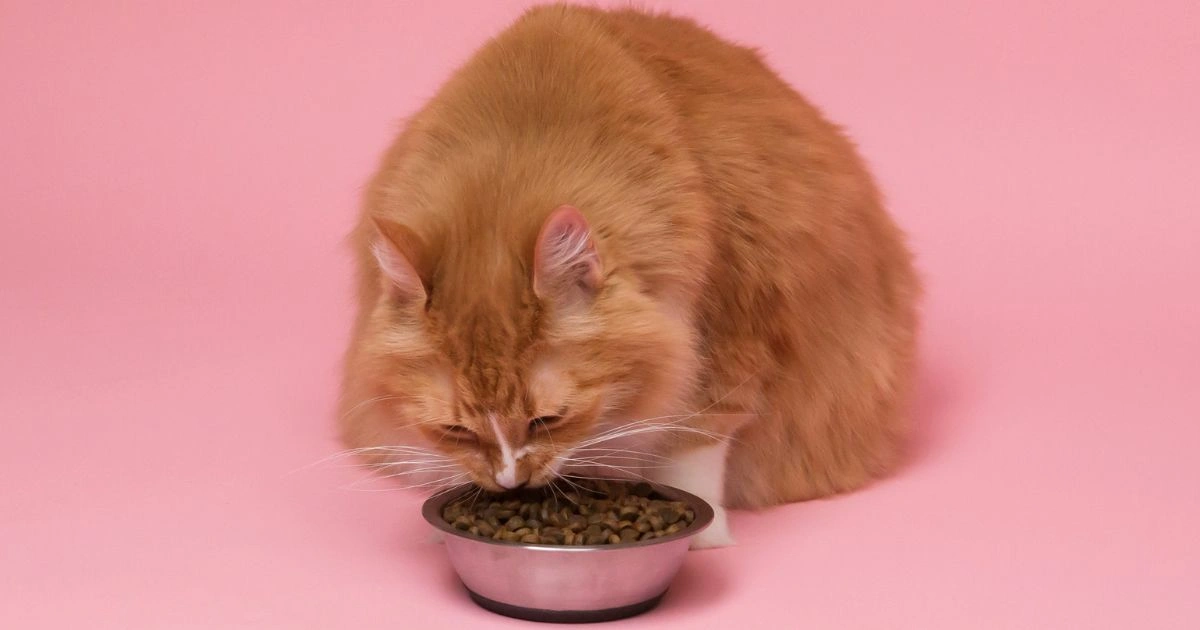
Best Cat Food 2026: Top 10 Vet-Reviewed Brands for Every Cat
Why Choosing the Right Cat Food Matters
Your cat’s diet is the foundation of their health, energy, and longevity. With thousands of cat food brands flooding the market, finding the best cat food for your feline friend can feel overwhelming.
After researching dozens of brands, consulting with veterinarians, and analyzing thousands of customer reviews, we’ve compiled this comprehensive guide to the top 10 best cat food brands in 2026.
Whether you have a playful kitten, a picky adult cat, or a senior feline with special needs, this guide will help you make an informed decision that keeps your cat healthy and happy.
If your cat has allergies, diet is only part of the solution. Discover the best hypoallergenic cat breeds that produce fewer allergens.
How We Chose the Best Cat Food Brands
Our selection process is rigorous and science-based. We evaluated each brand based on:
- ✅ Ingredient Quality: Real meat as the first ingredient, no artificial preservatives
- ✅ Nutritional Completeness: Meets AAFCO (Association of American Feed Control Officials) standards
- ✅ Veterinary Recommendations: Endorsed by veterinarians and feline nutritionists
- ✅ Customer Reviews: High ratings from real cat owners
- ✅ Value for Money: Quality ingredients at a fair price
- ✅ Safety Record: No history of recalls or contamination issues
Medical Disclaimer: This content is for informational purposes only and is not a substitute for professional veterinary advice. Always consult your veterinarian regarding your pet’s nutrition and health.
Affiliate Disclosure: This post contains affiliate links. If you make a purchase through these links, Cat Care Lab may earn a small commission at no extra cost to you.
Top 10 Best Cat Food Brands in 2026
1. Royal Canin – Best Overall
Best For: All life stages | Type: Dry & Wet | Price: $$
Royal Canin has been a trusted name in pet nutrition for over 50 years. What sets them apart is their breed-specific and condition-specific formulas — they have food tailored for Persian cats, Maine Coons, indoor cats, and cats with sensitive stomachs.
Pros:
- Scientifically formulated with veterinary input
- Wide variety of specialized formulas
- Highly palatable (most cats love the taste)
- Available worldwide
Cons:
- Contains some grains (not ideal for grain-free seekers)
- Premium price point
Top Product: Royal Canin Indoor Adult Dry Cat Food
2. Hill’s Science Diet – Best for Sensitive Stomachs
Best For: Cats with digestive issues | Type: Dry & Wet | Price: $$
Hill’s Science Diet is the #1 veterinarian-recommended brand in the United States. Their formulas are developed by a team of veterinarians, food scientists, and nutritionists.
Pros:
- Clinically proven nutrition
- Excellent for cats with allergies or sensitive digestion
- Prescription diet options available
- High-quality protein sources
Cons:
- Some formulas contain corn and wheat
- Can be expensive for multi-cat households
Top Product: Hill’s Science Diet Adult Sensitive Stomach & Skin
3. Purina Pro Plan – Best Value
Best For: Budget-conscious owners | Type: Dry & Wet | Price: $
Purina Pro Plan offers exceptional quality at a more affordable price point. Their LiveClear line is revolutionary — it’s the first cat food proven to reduce the Fel d 1 allergen in cat hair and dander by an average of 47%.
Pros:
- Excellent price-to-quality ratio
- LiveClear formula for allergy sufferers
- High protein content (real chicken or salmon first)
- Widely available in stores
Cons:
- Some formulas contain by-products
- Not as premium as Royal Canin or Hill’s
Top Product: Purina Pro Plan LiveClear High Protein Cat Food
4. Blue Buffalo – Best Natural Option
Best For: Owners seeking natural ingredients | Type: Dry & Wet | Price: $$
Blue Buffalo is known for its commitment to natural ingredients. Their recipes feature real meat, whole grains, and garden veggies — no chicken by-product meals, corn, wheat, soy, or artificial preservatives.
Pros:
- Natural ingredients with no artificial additives
- LifeSource Bits (cold-formed vitamins and antioxidants)
- Grain-free options available
- Great for cats with food sensitivities
Cons:
- Higher price than standard brands
- Some cats may not like the taste
Top Product: Blue Buffalo Wilderness High Protein Grain-Free
5. Orijen – Best Premium/Grain-Free
Best For: Premium nutrition seekers | Type: Dry | Price: $$$
Orijen is the gold standard for biologically appropriate cat food. Their formulas contain 85-90% animal ingredients (meat, organs, cartilage) and only 10-15% vegetables and fruits.
Pros:
- Ultra-high protein content (40%+)
- WholePrey ratios (meat, organs, cartilage)
- No grains, potatoes, or tapioca
- Made with fresh, regional ingredients
Cons:
- Very expensive
- High protein may not suit all cats (consult vet)
Top Product: Orijen Cat & Kitten Dry Food
6. Wellness CORE – Best Grain-Free
Best For: Grain-free diets | Type: Dry & Wet | Price: $$
Wellness CORE offers premium grain-free nutrition with high protein content. Their formulas are designed to support a cat’s natural carnivorous diet.
Pros:
- 100% grain-free
- High protein (38-45%)
- No meat by-products or fillers
- Supports lean body mass and energy
Cons:
- Premium pricing
- Some formulas high in phosphorus (not ideal for kidney issues)
Top Product: Wellness CORE Original Grain-Free Dry Cat Food
7. Tiki Cat – Best Wet Food
Best For: Wet food lovers | Type: Wet (canned) | Price: $$
Tiki Cat is famous for its restaurant-quality wet food. Their signature “After Dark” line features whole prey ingredients like chicken, chicken liver, and chicken gizzard — mimicking what cats would eat in the wild.
Pros:
- High moisture content (great for hydration)
- Human-grade ingredients
- No carrageenan or artificial preservatives
- Cats absolutely love the taste
Cons:
- More expensive than standard wet food
- Limited dry food options
Top Product: Tiki Cat After Dark Chicken & Chicken Liver
8. Iams – Best Budget-Friendly
Best For: Budget-conscious owners | Type: Dry & Wet | Price: $
Iams has been providing quality nutrition at affordable prices for decades. Their ProActive Health line offers complete nutrition with real chicken as the #1 ingredient.
Pros:
- Very affordable
- Real meat as first ingredient
- Supports healthy digestion and immune system
- Widely available
Cons:
- Contains some fillers (corn, wheat)
- Not as premium as other brands on this list
Top Product: Iams ProActive Health Adult Original
9. Merrick – Best Limited Ingredient
Best For: Cats with food allergies | Type: Dry & Wet | Price: $$
Merrick offers limited ingredient diets perfect for cats with food sensitivities. Their recipes feature a single source of animal protein and minimal ingredients.
Pros:
- Limited ingredient formulas
- Grain-free and potato-free options
- High-quality protein sources
- Great for elimination diets
Cons:
- Limited flavor variety
- Higher price point
Top Product: Merrick Limited Ingredient Diet Grain-Free
10. Farmina N&D – Best Italian/European Brand
Best For: European cat owners | Type: Dry & Wet | Price: $$
Farmina N&D is an Italian brand that’s gaining popularity worldwide. Their Ancestral Diet line features low-grain or grain-free formulas with high animal protein content.
Pros:
- Low glycemic index formulas
- High animal protein (up to 70%)
- No artificial preservatives
- Excellent for weight management
Cons:
- Limited availability in some regions
- Premium pricing
Top Product: Farmina N&D Cat Quinoa Weight Management
Cat Food Buying Guide: What to Look For
1. Check the Ingredient List
The first ingredient should always be a named meat source (chicken, salmon, turkey) — not “meat by-products” or “animal digest.” Avoid foods with:
- ❌ Artificial colors (Red 40, Yellow 5)
- ❌ Artificial preservatives (BHA, BHT, ethoxyquin)
- ❌ Excessive fillers (corn, wheat, soy)
- ❌ Unnamed meat sources (“meat meal”)
2. Understand Your Cat’s Life Stage
- Kitten (0-12 months): Needs higher protein and calories for growth
- Adult (1-7 years): Balanced nutrition for maintenance
- Senior (7+ years): Lower calories, joint support, easier digestion
3. Wet vs. Dry Food: Which is Better?
Both have their benefits:
| Feature | Wet Food | Dry Food |
|---|---|---|
| Moisture Content | 70-80% (great for hydration) | 10% (may need extra water) |
| Dental Health | Less beneficial | Helps reduce tartar |
| Convenience | Must refrigerate after opening | Easy to store and serve |
| Cost | More expensive | More affordable |
Best Practice: Many veterinarians recommend a combination of both — dry food for dental health and convenience, wet food for hydration and variety.
4. Special Dietary Needs
If your cat has specific health issues, consult your vet before choosing food:
- Weight Management: Look for low-calorie, high-fiber formulas
- Urinary Health: Controlled mineral content (Royal Canin Urinary SO)
- Hairball Control: High fiber content
- Food Allergies: Limited ingredient or hydrolyzed protein diets
- Diabetes: Low-carb, high-protein formulas
How to Transition Your Cat to New Food
Changing your cat’s food too quickly can cause digestive upset. Follow this 7-10 day transition plan:
- Days 1-3: 75% old food + 25% new food
- Days 4-6: 50% old food + 50% new food
- Days 7-9: 25% old food + 75% new food
- Day 10: 100% new food
If your cat experiences vomiting, diarrhea, or refuses to eat, slow down the transition or consult your vet.
Frequently Asked Questions (FAQ)
What is the healthiest cat food brand?
The “healthiest” cat food depends on your cat’s specific needs. However, brands like Royal Canin, Hill’s Science Diet, and Orijen are consistently recommended by veterinarians for their high-quality ingredients and nutritional completeness.
Is grain-free cat food better?
Not necessarily. Unless your cat has a diagnosed grain allergy (which is rare), grain-free food isn’t inherently better. In fact, the FDA has investigated a potential link between grain-free diets and heart disease (DCM) in cats. Consult your vet before switching to grain-free.
How much should I feed my cat?
Feeding guidelines vary by brand, age, weight, and activity level. As a general rule:
- Adult cat (10 lbs): 200-250 calories per day
- Kitten: 2-3 times more calories per pound than adults
- Senior cat: Slightly fewer calories than adults
Always check the feeding guidelines on the package and adjust based on your cat’s body condition.
Can I feed my cat dog food?
No. Cats have different nutritional requirements than dogs. Cat food contains higher protein, taurine (essential for heart health), and arachidonic acid. Feeding cat food to dogs occasionally is okay, but feeding dog food to cats can lead to serious health issues.
How often should I feed my cat?
Most adult cats do well with 2 meals per day (morning and evening). Kittens need 3-4 smaller meals. Free-feeding (leaving food out all day) can lead to obesity, so scheduled meals are generally recommended.
Final Verdict: Which Cat Food Should You Choose?
The best cat food for your feline friend depends on their age, health status, and your budget. Here’s our quick recommendation:
- 🏆 Best Overall: Royal Canin (science-backed, breed-specific)
- 💰 Best Value: Purina Pro Plan (quality at affordable price)
- Best Natural: Blue Buffalo (no artificial ingredients)
- 🥩 Best Premium: Orijen (ultra-high protein, biologically appropriate)
- 🐟 Best Wet Food: Tiki Cat (human-grade, cats love it)
Remember: the best food is one that your cat enjoys eating and that keeps them healthy. If you’re unsure, consult your veterinarian for personalized recommendations.
Sources: AAFCO (Association of American Feed Control Officials), Journal of Feline Medicine and Surgery, American Veterinary Medical Association (AVMA), brand official websites.