
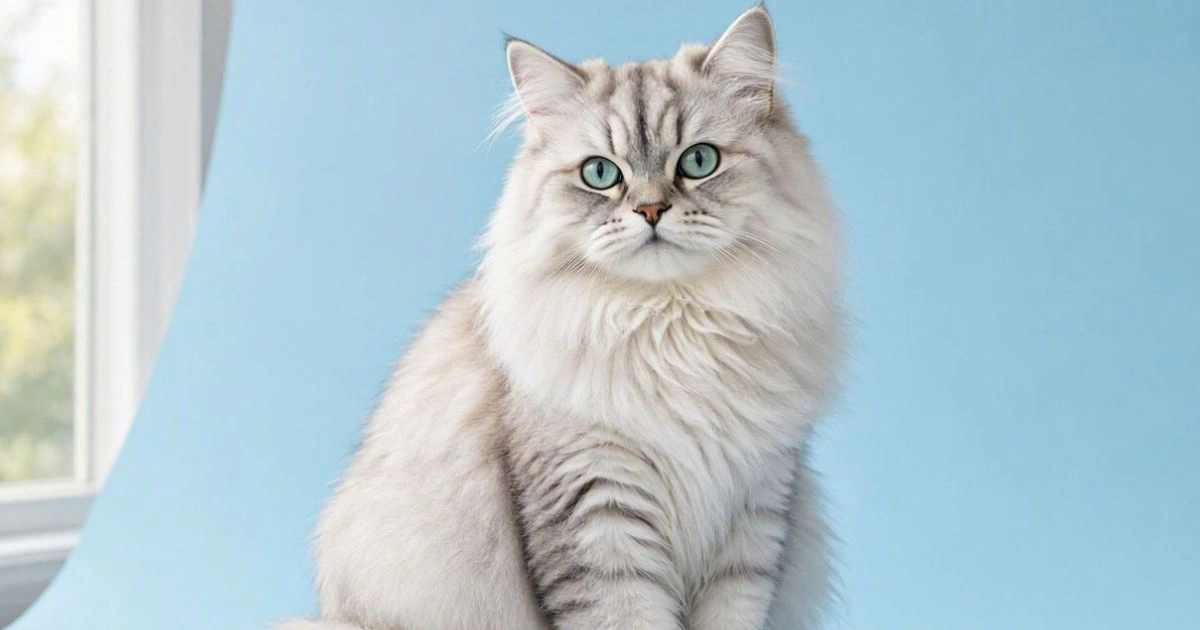
10 Best Hypoallergenic Cats Breeds for Allergy Sufferers (2026 Guide)
Can You Own a Cat If You Have Allergies?
If you love cats but constantly sneeze, itch, or have watery eyes whenever you’re near one, you’re not alone. Approximately 10% of the population suffers from cat allergies. The good news? Hypoallergenic cats produce fewer allergens and can be the perfect companion for allergy sufferers. In this comprehensive guide, we’ll explore 10 of the best hypoallergenic cats breeds, explain what makes them allergy-friendly, and share practical tips to minimize allergic reactions at home.
But here’s the good news: you can still share your life with a feline companion.
The secret lies in choosing one of the best hypoallergenic cat breeds — cats that produce fewer allergens and are less likely to trigger your symptoms. In this comprehensive guide, we’ll explore 10 of the top hypoallergenic cat breeds, explain what makes them allergy-friendly, and share practical tips to minimize allergic reactions at home.
What Does “Hypoallergenic” Really Mean?
First, let’s clear up a common misconception: no hypoallergenic cats breed is 100% hypoallergenic. The term “hypoallergenic” means “below normal” or “slightly” allergenic — not completely allergen-free.
What Actually Causes Cat Allergies?
Most people assume cat hair is the culprit, but the real problem is a protein called Fel d 1. This protein is produced in:
- Cat saliva (when they groom themselves, it spreads to their fur)
- Skin glands (dander/flakes)
- Urine
When a cat grooms itself, the Fel d 1 protein sticks to its fur and becomes airborne when the hair sheds. This is what triggers allergic reactions in sensitive individuals.
So What Makes a Cat “Hypoallergenic”?
Hypoallergenic cat breeds typically have one or more of these characteristics:
- ✅ Produce less Fel d 1 protein naturally
- ✅ Shed less fur (less hair = fewer allergens in the air)
- ✅ Have hair instead of fur (similar to human hair, grows longer and sheds less)
- ✅ Require regular grooming (which removes allergens before they spread)
Medical Disclaimer: This content is for informational purposes only and is not a substitute for professional veterinary advice. Always consult your veterinarian regarding your pet’s health.
Top 10 Hypoallergenic Cat Breeds (2026)
1. Siberian Cat
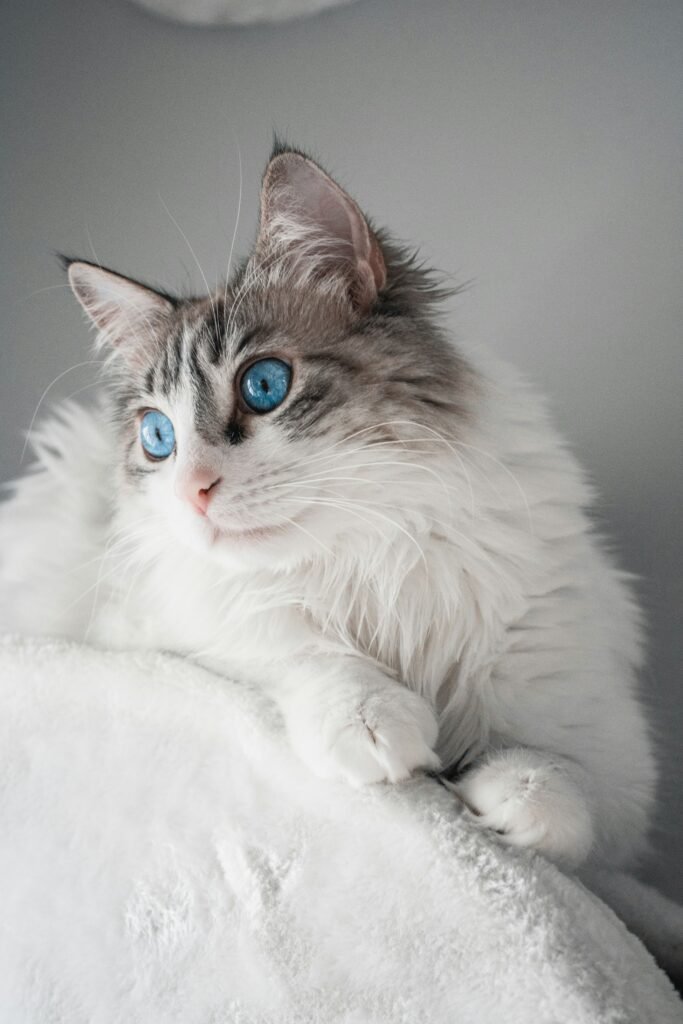
Allergen Level: Very Low | Coat: Long, thick triple coat | Temperament: Affectionate, playful, intelligent
Despite their luxurious long fur, Siberian cats are considered one of the most popular hypoallergenic cats among allergy sufferers. Studies have shown that Siberians produce significantly lower levels of Fel d 1 protein compared to other breeds — some producing up to 50% less!
Why They’re Great:
- Naturally low allergen production
- Stunning appearance with thick, water-resistant coat
- Gentle and dog-like personality
- Good with children and other pets
Care Tips: Brush 2-3 times weekly to prevent matting and remove loose hair.
2. Balinese
Allergen Level: Low | Coat: Medium-long, silky | Temperament: Vocal, social, intelligent
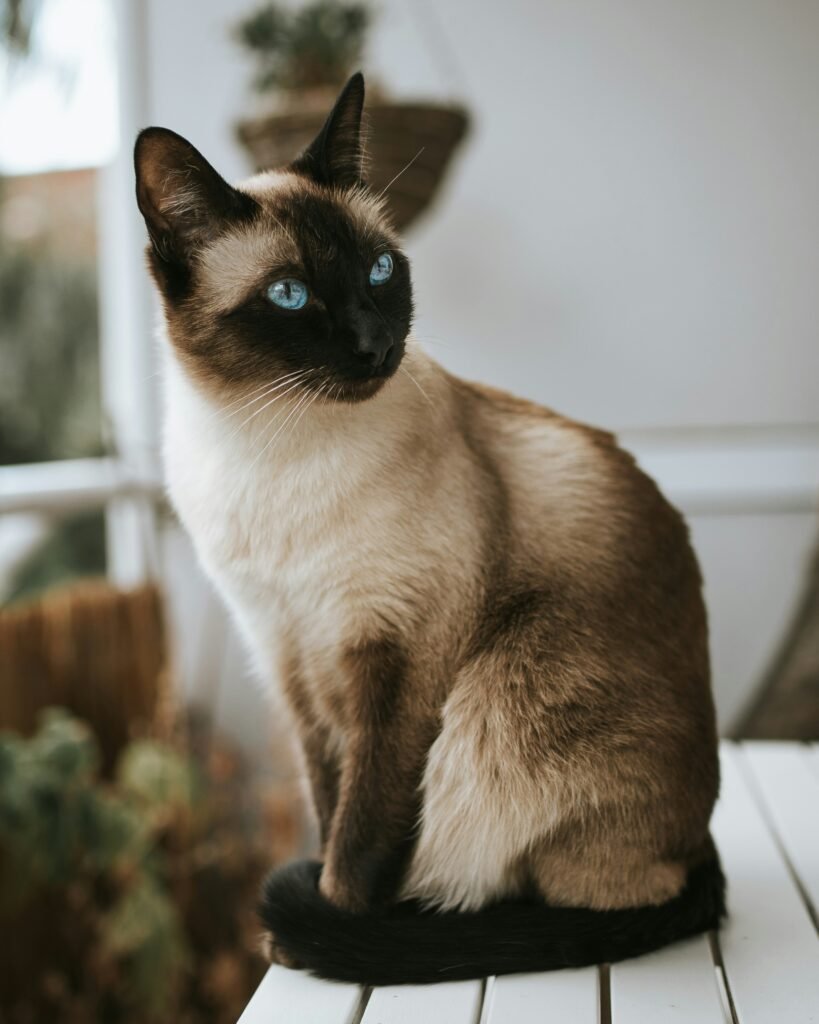
Often called the “long-haired Siamese,” the Balinese is another excellent choice for allergy sufferers. Like their Siamese relatives, they produce lower levels of Fel d 1 protein.
Why They’re Great:
- Single-layer coat (no undercoat = less shedding)
- Highly intelligent and interactive
- Form strong bonds with their owners
- Elegant, graceful appearance
Care Tips: Weekly brushing is usually sufficient due to their silky coat that doesn’t mat easily.
3. Russian Blue
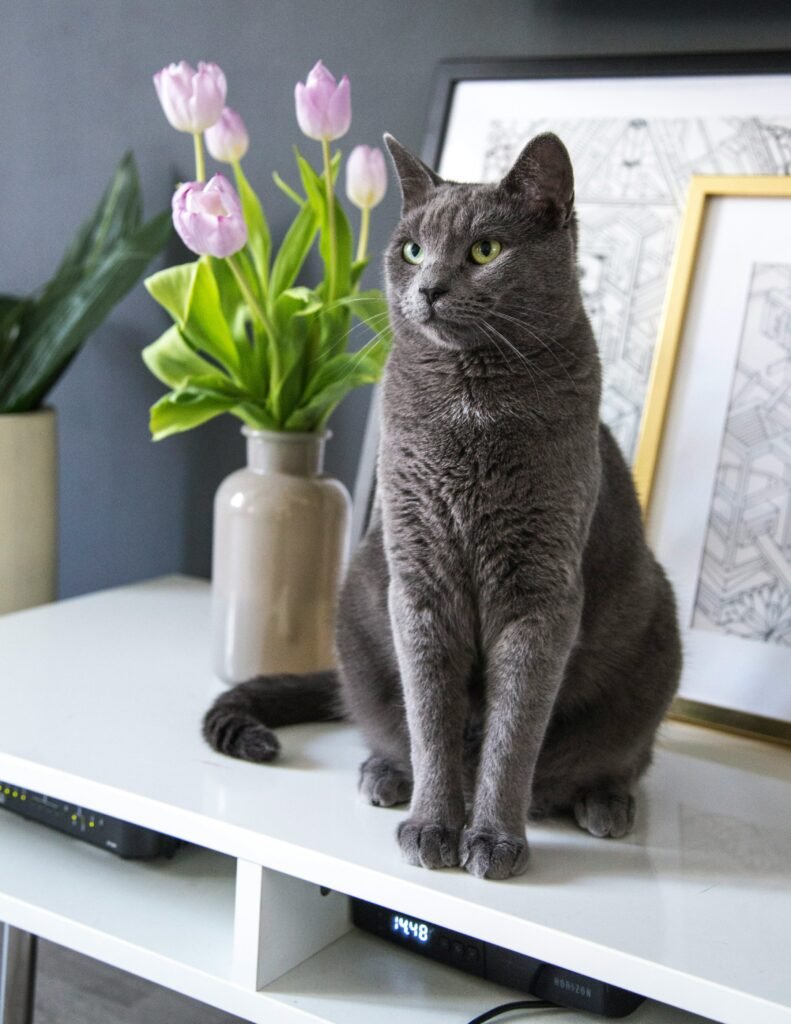
Allergen Level: Low | Coat: Short, dense double coat | Temperament: Reserved, loyal, gentle
The Russian Blue is famous for its stunning blue-gray coat and is one of the most beloved hypoallergenic cats for people with allergies. What many don’t know is that this breed also produces lower levels of the Fel d 1 protein.
Why They’re Great:
- Dense coat traps dander close to the skin
- Quiet and well-mannered
- Independent but devoted to family
- Low-maintenance grooming
Care Tips: Brush once a week with a rubber grooming mitt to remove loose hair and distribute skin oils.
4. Bengal
Allergen Level: Low to Moderate | Coat: Short, soft, pelt-like | Temperament: Active, playful, energetic
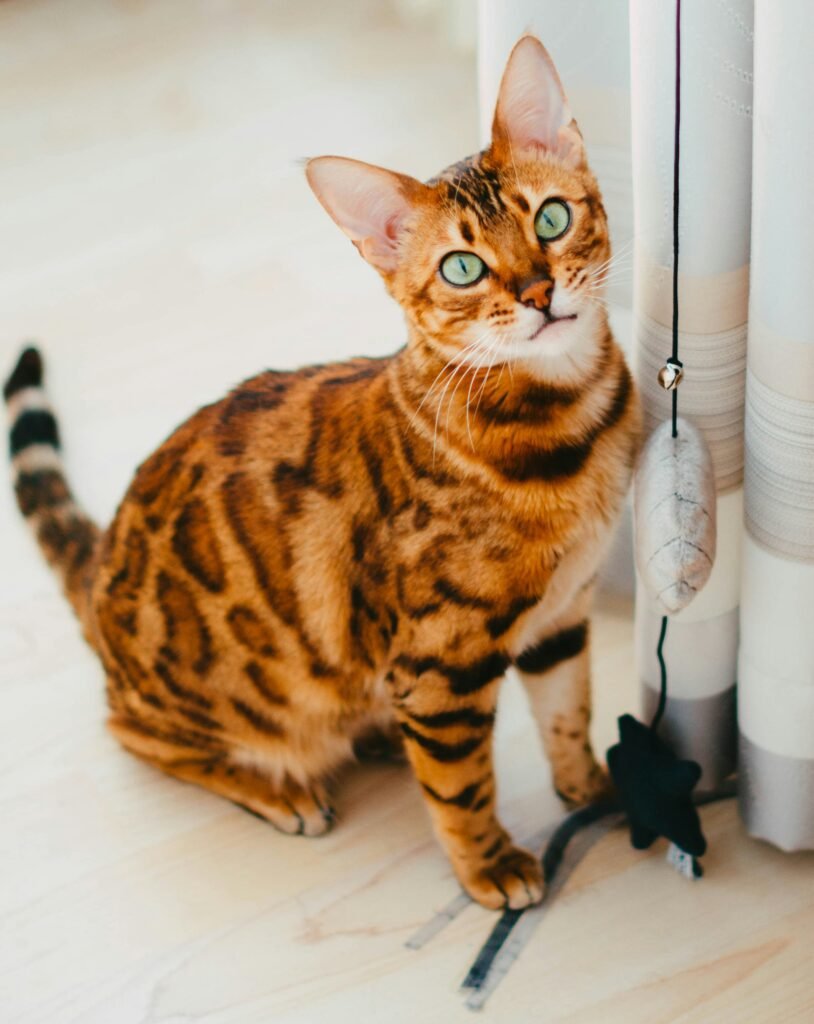
If you want a cat that looks like a miniature leopard but is allergy-friendly, the Bengal is your answer. Their short, pelt-like coat requires minimal grooming and sheds very little.
Why They’re Great:
- Minimal shedding due to unique coat texture
- Highly active and entertaining
- Love water (unusual for cats!)
- Striking wild appearance
Care Tips: Occasional brushing (once a week) is enough. They’re very low-maintenance when it comes to grooming.
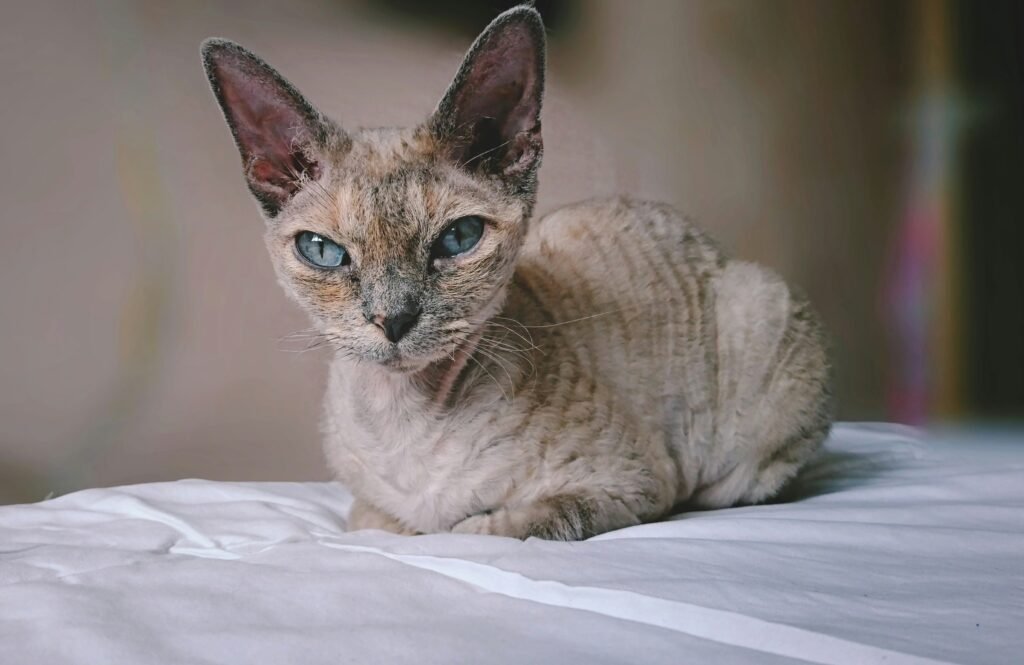
5. Cornish Rex
Allergen Level: Low | Coat: Short, curly, wavy | Temperament: Playful, acrobatic, people-oriented
The Cornish Rex has one of the most unique coats in the cat world — soft, wavy, and incredibly fine. They have no guard hairs (the coarse outer layer), which means less shedding and fewer allergens.
Why They’re Great:
- Minimal shedding due to lack of guard hairs
- Extremely playful and kitten-like throughout life
- Warm to the touch (they love cuddling)
- Adaptable to various living situations
Care Tips: Gentle brushing with a soft cloth or your hands. Their coat is delicate, so avoid harsh brushes.
6. Devon Rex
Allergen Level: Low | Coat: Short, curly, fine | Temperament: Mischievous, loyal, social
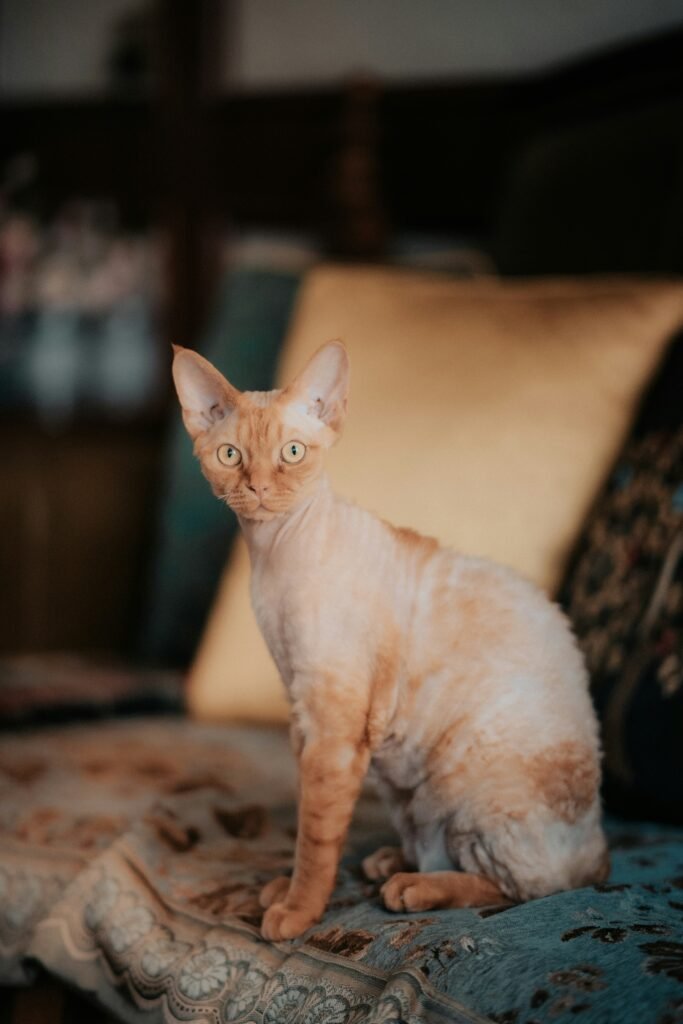
Similar to the Cornish Rex but with distinct features (large ears, elfin face), the Devon Rex is another excellent hypoallergenic option. Their fine, wavy coat produces minimal dander.
Why They’re Great:
- Very low shedding
- Playful and entertaining personality
- Often called “pixies” or “monkeys” for their antics
- Great for apartments
Care Tips: Regular ear cleaning (they can accumulate wax) and gentle wiping with a soft cloth.
7. Sphynx
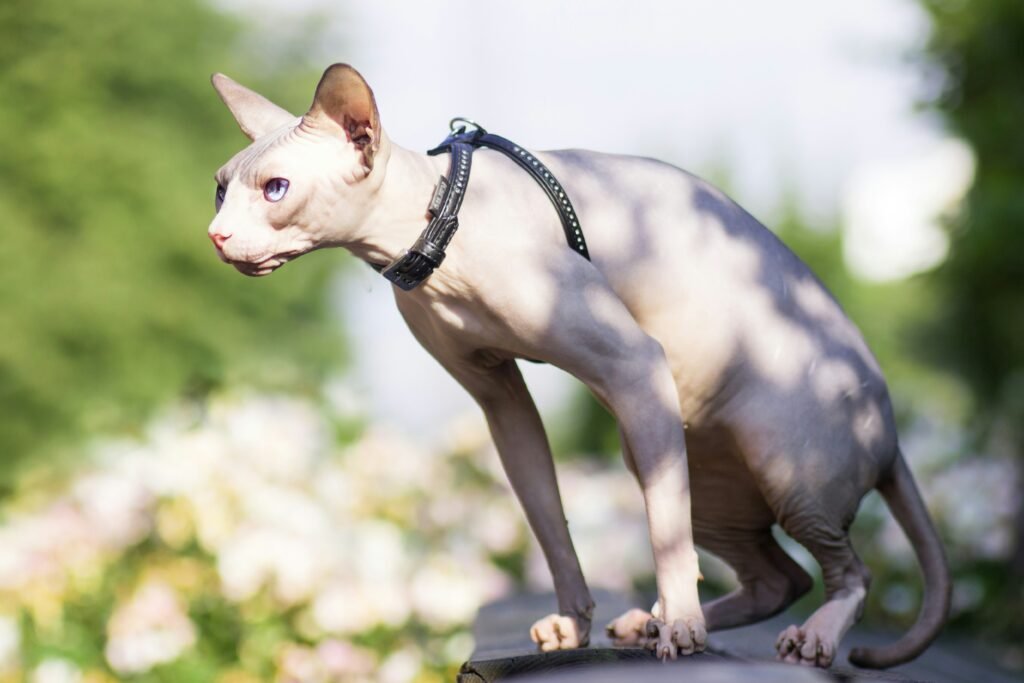
Allergen Level: Low to Moderate* | Coat: Hairless (fine down) | Temperament: Affectionate, energetic, extroverted
The Sphynx is probably the most well-known among hypoallergenic cats due to its lack of fur. However, there’s an important caveat: Sphynx cats still produce Fel d 1 protein — it just doesn’t get trapped in fur. Instead, it stays on their skin.
Why They’re Great:
- No fur = no airborne allergens from shedding
- Extremely affectionate and people-oriented
- Unique, eye-catching appearance
- Warm and soft to the touch
⚠️ Important: Sphynx cats require weekly baths to remove oil and allergen buildup from their skin. Without regular bathing, they can actually be worse for allergies!
8. Oriental Shorthair
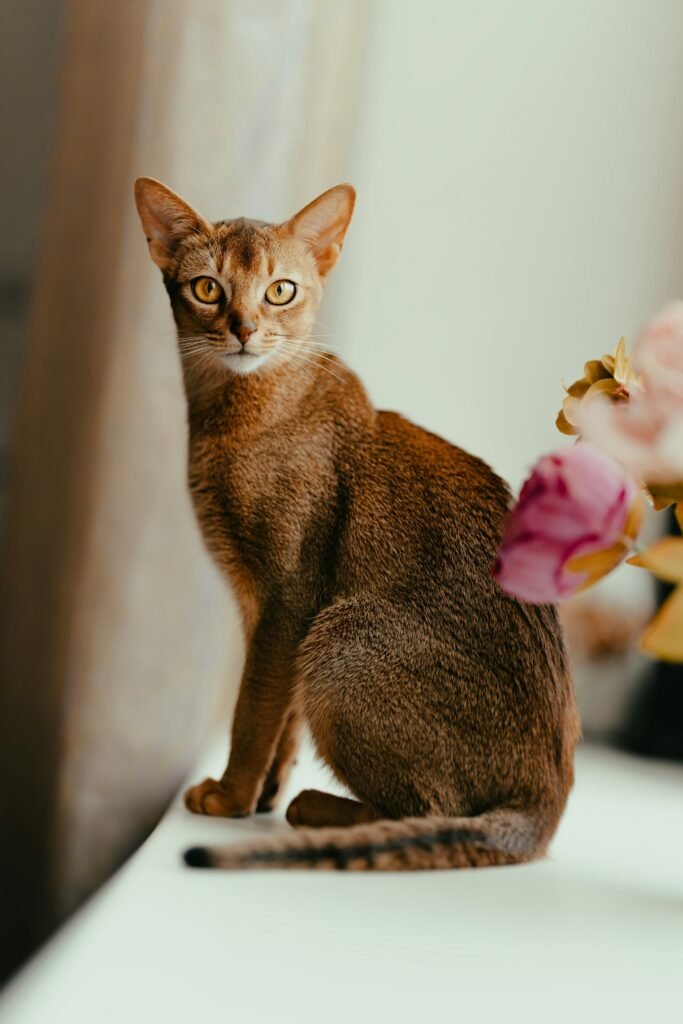
Allergen Level: Low | Coat: Short, fine, close-lying | Temperament: Vocal, social, intelligent
Related to the Siamese, the Oriental Shorthair comes in over 300 color and pattern variations. Their short, fine coat sheds minimally and produces less dander.
Why They’re Great:
- Minimal shedding
- Highly social and demanding of attention
- Intelligent and trainable
- Stunning variety of colors
Care Tips: Weekly brushing with a soft brush or chamois cloth to maintain coat shine.
9. Javanese
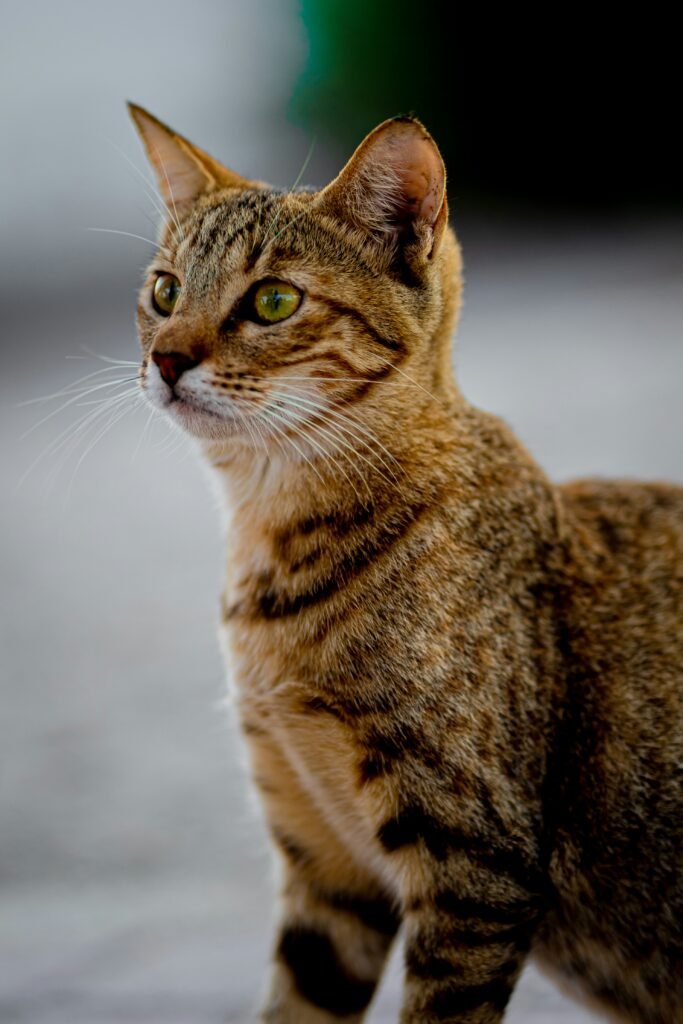
Allergen Level: Low | Coat: Medium-long, silky | Temperament: Playful, devoted, vocal
The Javanese is closely related to the Balinese and shares many of the same hypoallergenic qualities. They have a single-layer coat without an undercoat, which means less shedding.
Why They’re Great:
- Single-layer coat reduces shedding
- Intelligent and interactive
- Form strong bonds with owners
- Beautiful plumed tail
Care Tips: Brush 2-3 times weekly to prevent tangles and remove loose hair.
10. Colorpoint Shorthair
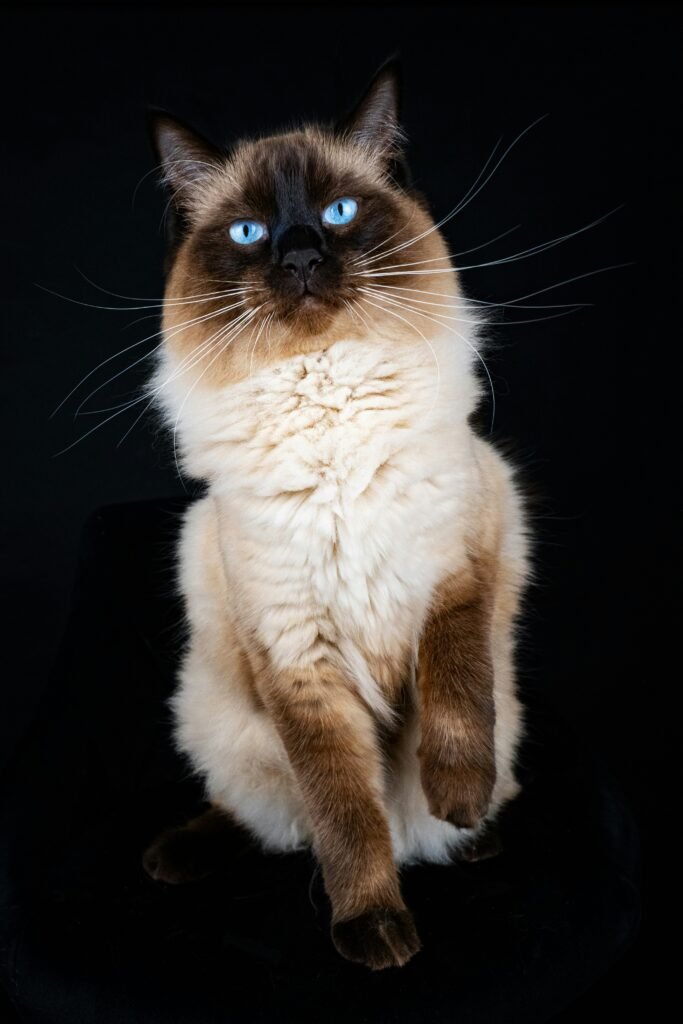
Allergen Level: Low | Coat: Short, fine | Temperament: Affectionate, vocal, intelligent
Another Siamese relative, the Colorpoint Shorthair produces lower levels of Fel d 1 and has a short coat that sheds minimally.
Why They’re Great:
- Low allergen production
- Easy to groom
- Loving and loyal companions
- Distinctive color points (red, cream, lynx)
Care Tips: Weekly brushing is sufficient. They’re very low-maintenance.
How to Reduce Cat Allergies at Home
Choosing a hypoallergenic breed is just the first step. Here are proven strategies to minimize allergens in your home:
1. Invest in a HEPA Air Purifier
HEPA air purifiers can remove up to 99.97% of airborne allergens, including cat dander. Place one in your bedroom and main living area for best results.
Top Recommendation: Look for purifiers specifically designed for pet owners with activated carbon filters.
2. Use Special Cat Food
Recent innovations have led to cat foods that can reduce Fel d 1 protein in cat saliva. Purina Pro Plan LiveClear is one such product that has shown promising results in clinical studies.
3. Regular Grooming
Brushing your cat 2-3 times per week removes loose hair and dander before it becomes airborne. For best results:
- Have a non-allergic person do the grooming if possible
- Wear a mask if you must do it yourself
- Groom outdoors or in a well-ventilated area
- Use hypoallergenic grooming wipes between brushings
4. Create Allergen-Free Zones
Keep your bedroom completely cat-free. This gives you a safe space to retreat to where allergen levels remain low. Use allergen-proof covers on your mattress and pillows.
5. Clean Regularly
- Vacuum 2-3 times per week with a HEPA-filter vacuum
- Wash bedding weekly in hot water (130°F/54°C)
- Use a damp cloth for dusting (dry dusting just spreads allergens)
- Replace carpets with hard flooring if possible
6. Wash Your Hands
Always wash your hands after petting your cat and avoid touching your face. This simple habit can significantly reduce allergic reactions.
Living with a Cat When You Have Allergies: Tips for Success
Here are additional strategies to help you thrive as a cat owner with allergies:
- ✅ Start with short exposure — Spend time with the breed you’re considering before adopting
- ✅ Take allergy medication — Antihistamines or allergy shots can help manage symptoms
- ✅ Clean the litter box daily — Have someone else do it if possible
- ✅ Bathe your cat occasionally — Some cats tolerate monthly baths (reduces allergens by up to 84%)
- ✅ Wash your cat’s bedding weekly
- ✅ Consider allergy testing — Know exactly what you’re allergic to
Frequently Asked Questions (FAQ)
What is the most hypoallergenic cat breed?
The Siberian cat is often considered the most hypoallergenic breed, as studies have shown they produce the lowest levels of Fel d 1 protein. However, individual cats vary, and what works for one person may not work for another.
Do hypoallergenic cats shed?
Yes, but typically much less than other breeds. Some hypoallergenic cats (like the Sphynx) are hairless, while others (like the Siberian) have long hair but produce fewer allergens. The key is that they either shed less or produce less of the allergenic protein.
Can I take allergy medicine to live with a cat?
Yes, many people successfully manage cat allergies with:
- Over-the-counter antihistamines (Claritin, Zyrtec, Allegra)
- Nasal corticosteroids (Flonase, Nasacort)
- Allergy shots (immunotherapy) — long-term solution
Consult with an allergist to determine the best approach for your situation.
Are male or female cats more hypoallergenic?
Female cats and neutered males produce lower levels of Fel d 1 protein compared to intact (unneutered) males. If allergies are a concern, always choose a spayed female or neutered male.
How long does it take to get used to a cat if you’re allergic?
Some people develop a tolerance over time (6 months to 2 years), while others don’t. This varies greatly by individual. Don’t rely on this as your primary strategy — choose a hypoallergenic breed and implement allergen-reduction strategies from the start.
Choosing the right food is also crucial for allergy sufferers. Check out our complete guide on the Best Cat Food for Sensitive Cats
Final Thoughts: You Can Live Happily with a Cat!
Having cat allergies doesn’t mean you have to give up on feline companionship forever. By choosing one of these hypoallergenic cat breeds and implementing proper allergen-management strategies, you can enjoy a loving relationship with a cat while keeping your symptoms under control.
Remember:
- No cat is 100% hypoallergenic, but some are much better than others
- Spend time with the breed before adopting to test your reaction
- Combine breed selection with environmental controls (air purifiers, grooming, cleaning)
- Consult with an allergist for personalized advice
With the right approach, you can create a happy, healthy home for both you and your new feline friend! 🐱
Sources: American College of Allergy, Asthma & Immunology (ACAAI), ASPCA, Cornell Feline Health Center, Journal of Allergy and Clinical Immunology
Remember, no cat is 100% allergen-free, but these hypoallergenic cats come closest to being allergy-friendly. Take your time, do your research, and find the perfect feline companion for your lifestyle!