
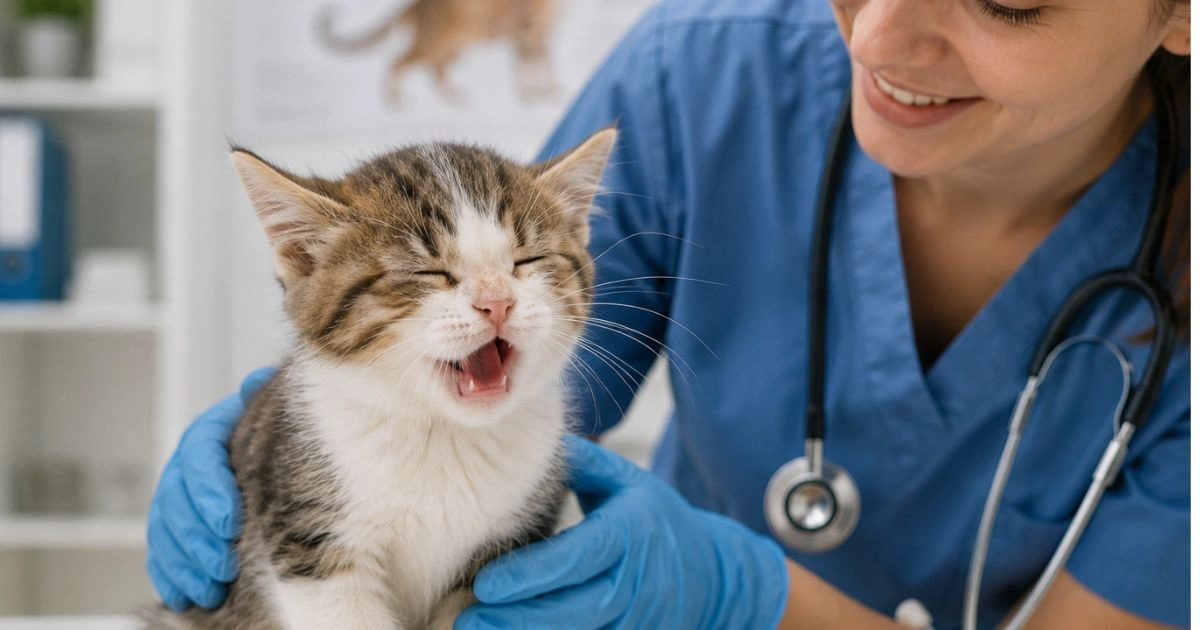
Why Is My Cat Sneezing? 10 Common Causes & When to See a Vet
If you’re wondering ‘why is my cat sneezing, you’re not alone. As a cat owner, it is natural to worry when your feline friend keeps sneezing.
As a cat owner, it is natural to worry. In this comprehensive guide, we will explore the 10 most common causes of cat sneezing, how to identify the symptoms, and exactly when you need to rush to the vet.
Affiliate Disclosure: This post contains affiliate links. If you make a purchase through these links, Cat Care Lab may earn a small commission at no extra cost to you.
Is your cat sneezing more than usual? While an occasional sneeze is completely normal (just like in humans), frequent or persistent sneezing can be a sign of an underlying issue that needs your attention.
🤧 10 Common Reasons Why Is My Cat Sneezing
1. Dust and Environmental Irritants
Just like humans, cats can sneeze when they inhale dust, smoke, perfumes, or strong cleaning chemicals. If your cat sneezes after you vacuum or use a new air freshener, this is likely the culprit.
2. Upper Respiratory Infections (URIs)
Often called ‘cat flu,’ Upper Respiratory Infections (URIs) are highly contagious and caused by viruses (like Feline Herpesvirus or Calicivirus) or bacteria. In fact, URIs are one of the most common reasons why is my cat sneezing while also showing other symptoms. These symptoms typically include a runny nose, watery eyes, and lethargy. According to the American Veterinary Medical Association, URIs are highly contagious in cats.
3. Dental Issues
Believe it or not, the roots of a cat’s upper teeth are very close to their nasal passages. An abscessed tooth or severe gum disease can cause inflammation that leads to chronic sneezing.
4. Foreign Objects
Cats are curious creatures. A blade of grass, a small insect, or a piece of lint can get stuck in their nasal cavity, causing sudden, violent sneezing fits as they try to expel it.
5. Allergies
Cats can be allergic to pollen, mold, dust mites, or certain ingredients in their food or litter. In fact, environmental allergies are often the answer when owners wonder, ‘why is my cat sneezing‘ seasonally or after using a heavily scented litter.
6. Vaccination Reactions
Some cats may experience mild, temporary sneezing a few days after receiving intranasal vaccines. This usually resolves on its own within a few days.
7. Fungal Infections
In rare cases, fungal infections like Cryptococcosis can affect a cat’s nasal passages, leading to chronic sneezing, nasal discharge, and sometimes swelling on the face.
8. Nasal Polyps or Tumors
Benign polyps or, less commonly, tumors in the nasal cavity can obstruct airflow and cause persistent sneezing, especially in older cats.
9. Excitement or Play
Believe it or not, some cats sneeze when they are highly excited or playing vigorously. This is a harmless, behavioral quirk and nothing to worry about.
10. Reverse Sneezing
This sounds alarming but is usually harmless. It looks like the cat is snorting or gagging while sneezing, often caused by irritation in the back of the throat.
🚨 When to Worry About Why Is My Cat Sneezing
An occasional sneeze is fine, but you should schedule a vet appointment immediately if your cat’s sneezing is accompanied by any of these symptoms:
- ❌ Thick, yellow, or green nasal discharge
- ❌ Blood in the sneeze or nasal discharge
- ❌ Loss of appetite or refusal to drink water
- ❌ Lethargy, hiding, or extreme weakness
- ❌ Pawing at the face or mouth excessively
- ❌ Sneezing fits that last for more than 24 hours
The ASPCA recommends immediate veterinary attention if your cat shows these symptoms.
🛡️ How to Prevent Cat Sneezing
While you can’t prevent every sneeze, you can create a healthier environment for your feline friend:
- Keep the Air Clean: Use a high-quality air purifier to remove dust, dander, and allergens from your home.
- Switch to Unscented Litter: Fragranced litters are a major trigger for respiratory irritation.
- Regular Vet Checkups: Annual exams and dental cleanings can catch issues before they become severe.
- Keep Up with Vaccinations: This is the best defense against contagious Upper Respiratory Infections.
❓ Frequently Asked Questions (FAQ)
1. Can I give my cat human cold medicine for sneezing?
Absolutely not. Many human medications (like acetaminophen/Tylenol) are highly toxic and can be fatal to cats. Always consult your vet.
2. Is cat sneezing contagious to humans?
No. The viruses and bacteria that cause cat URIs are species-specific and cannot be transmitted to humans.
3. Why does my cat sneeze when I pet them?
This is often a sign of excitement or a mild tickle in the nose from your hand or clothing. If there are no other symptoms, it is completely harmless.
💡 Final Thoughts
Monitoring your cat’s sneezing habits is a key part of responsible pet ownership. Whether you have already figured out why is my cat sneezing or you still need answers, it is always better to err on the side of caution and consult your veterinarian.
Looking for a hypoallergenic companion? Check out our guide on the 10 Best Hypoallergenic Cat Breeds for allergy sufferers.